Best Cheese for Pasta — A Complete Guide by Sauce Type
Cheese is one of those pasta ingredients that everyone uses and almost nobody thinks about. Most people grab whatever's in the fridge — or worse, the pre-shredded bag from the grocery store — and sprinkle it on without much consideration. The result is fine. But fine isn't the same as good, and good pasta cheese is one of the easiest upgrades you can make to any dish.
The key is matching the cheese to the sauce. A sharp, salty Pecorino Romano that's perfect over a slow-simmered marinara would overwhelm a delicate cream sauce. A silky mascarpone that transforms an Alfredo into something extraordinary would disappear into a bold tomato-based dish. This guide breaks it down by sauce type so you always know exactly what to reach for.
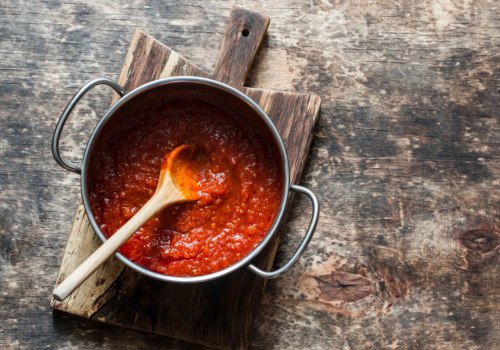
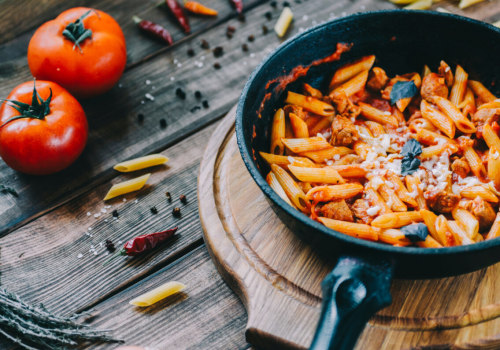
Best Cheese for Tomato-Based Pasta Sauce (Marinara, Arrabbiata, Red Sauce)
Tomato sauce has natural acidity and sweetness that intensifies during cooking. The cheese you use needs to stand up to that without competing with it. What you're looking for is salt, umami, and enough structural presence to add a distinct flavor layer when grated over a hot plate. Cream and fat have no place in a proper marinara — they mute the tomato's brightness. Stick to hard aged cheeses for grating.
Parmigiano-Reggiano
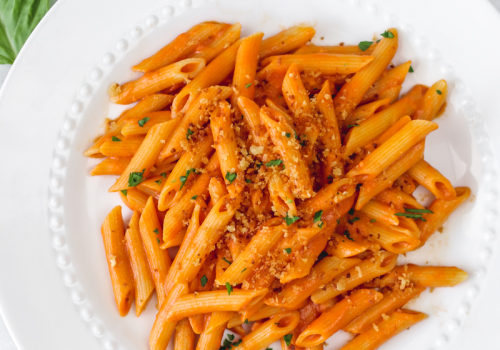
The gold standard for tomato pasta. Aged between 12 and 36 months, the aging process develops deep umami that complements tomato sauce without fighting it. Grated over hot pasta, it half-melts into the sauce and half stays as a distinct flavor layer on top. Always buy a wedge and grate fresh — pre-shredded Parmesan contains anti-caking agents that prevent smooth melting and dull the flavor significantly.
Pecorino Romano
Made from sheep's milk, Pecorino Romano is sharper, saltier, and more assertive than Parmesan. Where Parmesan blends into a sauce, Pecorino cuts through it — which makes it exceptional with a bold, slow-simmered red sauce. It's the traditional cheese of Rome and the backbone of cacio e pepe and carbonara. For a marinara-style dish, mix equal parts Pecorino and Parmesan: you get the depth of one and the bite of the other in every forkful.
For a detailed breakdown of how these cheeses interact with gourmet tomato sauce specifically — including the half-and-half combination move and why it works — this guide to the best cheese for pasta by sauce type covers it thoroughly. And if you want to understand what makes the underlying sauce worth finishing with great cheese in the first place, the essential ingredients for a classic marinara breaks down exactly why tomato and olive oil quality matter so much.
Best Cheese for Creamy and White Sauce Pasta
Cream sauces need a completely different approach. The goal is silk — a sauce that coats every piece of pasta smoothly without breaking, becoming greasy, or tasting heavy. The cheeses that work best are soft, high-fat, and either melt instantly or dissolve completely into the sauce.
Mozzarella
A classic choice for cream-adjacent sauces. Low-moisture mozzarella melts easily and creates a smooth, silky texture without adding sharpness. Its subtle flavor doesn't overpower other ingredients, making it a reliable choice for dishes like chicken parmesan or creamy baked pasta. Note: fresh mozzarella (stored in water) releases too much liquid for hot sauces — use the low-moisture block variety for cooking.
Mascarpone
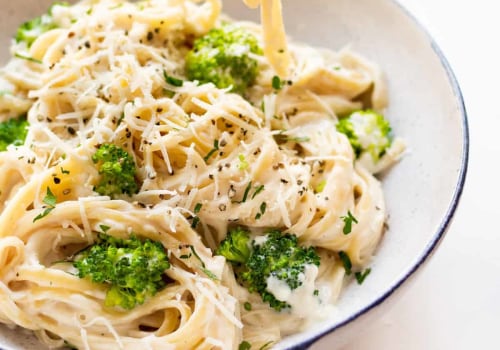
Mascarpone is essentially Italian cream cheese — thick, very high in fat, with an almost dessert-like sweetness. Stirred into a warm pasta sauce off heat, it creates an instant velvety texture. It's exceptional in mushroom pasta, truffle pasta, or any Alfredo-style dish where deep richness without sharpness is the goal. Add it in small spoonfuls and stir gently — it dissolves completely and transforms the sauce in under a minute.
Fontina
One of the best melting cheeses for pasta. Buttery and slightly nutty, Fontina melts completely smooth without breaking into grease, making it ideal for cream sauces where texture matters as much as flavor. It has more character than mozzarella and more subtlety than Parmesan — a middle-ground cheese that works in almost any cream-based application.
Gorgonzola
For a bold, sophisticated cream sauce, crumbled Gorgonzola changes everything. This Italian blue cheese adds a funky, complex flavor that pairs beautifully with walnuts, pears, radicchio, and short pasta like rigatoni or penne. Use dolce (sweet) Gorgonzola for something approachable; piccante (aged) for full, punchy intensity. Not for every palate, but when it works it's one of the most memorable pasta dishes you can make.
Ricotta
Soft, mild, and slightly sweet, ricotta adds richness and body to pasta without adding sharpness. It works well stirred into a sauce for creaminess, or as an interior layer in baked pasta. Always drain it through a fine mesh strainer before using and season it well — unseasoned ricotta tastes flat. Mixed with Parmesan, it becomes a classic filling for stuffed shells and cannelloni.
Best Cheese for Baked Pasta (Lasagna, Baked Ziti, Stuffed Shells)
Baked pasta needs cheese that can melt, stretch, brown, and bind — often all in the same dish. Meltability becomes the primary selection criteria, and you'll typically work with two or three cheeses in layers rather than one on top.
Low-Moisture Mozzarella
The essential baking cheese. It melts evenly, browns beautifully, and delivers the stretch everyone wants when a baked pasta comes out of the oven. Do not use fresh mozzarella for baking — it releases too much water and makes the bottom of your dish soggy. Always use the shrink-wrapped block or pre-sliced low-moisture variety in the oven.
Ricotta (as a layer)
The creamy interior of lasagna, stuffed shells, and cannelloni. Drain it well, season it generously, and use it as the soft counterpoint to the mozzarella's stretch and the Parmesan's crust.
Gouda
An underrated baking cheese with a rich, buttery flavor and a slightly smoky character. Melts beautifully and adds more personality than plain mozzarella. Works especially well in baked ziti or mac and cheese where you want something with depth beyond the standard melt.
The Three-Cheese Layering Strategy
For lasagna or baked ziti: seasoned ricotta inside the layers for creaminess, low-moisture mozzarella over the top for melt and stretch, and a generous grating of Parmesan over the very top for the golden, crispy crust. Each cheese has a distinct role — none is interchangeable, and none is optional if you want the full effect.
Quick Reference — Best Cheese by Pasta Type
| Pasta / Dish | Best Cheese |
|---|---|
| Spaghetti with marinara | Parmesan + Pecorino Romano |
| Fettuccine Alfredo | Parmesan, Mascarpone, Fontina |
| Lasagna | Ricotta + Mozzarella + Parmesan |
| Baked Ziti | Mozzarella + Ricotta + Gouda |
| Cacio e Pepe | Pecorino Romano + Parmesan |
| Carbonara | Pecorino Romano + Parmesan |
| Rigatoni with cream sauce | Fontina or Gorgonzola |
| Stuffed Shells / Cannelloni | Ricotta + Parmesan |
Common Cheese Mistakes to Avoid
Using pre-shredded cheese from a bag
Pre-shredded cheese contains anti-caking agents — cellulose and potato starch — that coat each shred and prevent smooth melting. The result is grainy, clumped, and muted. Always buy a wedge and grate it yourself immediately before using.
Adding cheese to a boiling sauce
Heat above around 180°F causes the proteins in hard cheese to seize and clump rather than melt smoothly. Always remove the pan from heat first, or reduce to the lowest possible simmer, before stirring in any cheese.
Using fresh mozzarella in baked dishes
Fresh mozzarella releases water during baking, which pools at the bottom and steams everything rather than crisping it. Use low-moisture mozzarella for any application involving heat.
Using the wrong cheese for the sauce type
Mascarpone in a marinara turns it heavy and masks the tomato. Pecorino over a delicate cream sauce overwhelms everything else. The pairing table above solves this — reference it before you cook. For the full technique on finishing pasta correctly once you've chosen your cheese — including the pasta water emulsification step most people skip — see how to make gourmet pasta sauce in under 20 minutes.
FAQ — Best Cheese for Pasta
What is the best cheese for pasta overall?
Parmigiano-Reggiano is the most versatile pasta cheese. It works with tomato sauces, cream sauces, baked dishes, and oil-based pastas. If you keep only one cheese for pasta, make it a wedge of real Parmesan.
Is Pecorino Romano better than Parmesan for pasta?
They serve different purposes. Parmesan is nutty, deep, and versatile. Pecorino is sharper, saltier, and more assertive. For tomato-based sauces, equal parts of both is the best approach. For cream sauces, Parmesan is the safer choice.
Can you use any cheese in pasta sauce?
Technically yes, but the results vary dramatically. Cheeses with high moisture (fresh mozzarella, brie) can break a sauce or make it watery. Processed cheeses melt smoothly but lack flavor. Stick to the types listed in this guide for consistently good results.
What cheese do Italians use on pasta?
It depends on the region. Romans use Pecorino Romano for cacio e pepe and carbonara. Northern Italians use Parmigiano-Reggiano on almost everything. Ricotta and mozzarella are used throughout Italy for baked pasta and stuffed dishes. There's no single answer — the cheese follows the dish.
Why does my cheese clump in pasta sauce?
Two reasons: pre-shredded cheese (anti-caking agents prevent smooth melting), or the sauce was too hot when you added it. Grate from a block and add off heat or at the lowest simmer.